Europe passes most stringent global legislation criminalizing ecocide

The EU has just passed legislation criminalizing the worst cases of environmental destruction, giving countries two years to put the updated directive into national law.

This is urgent given that ‘“Environmental crimes are growing two to three times faster than the global economy and have in a few years become the fourth largest criminal sector in the world,” according to Marie Toussaint, a French lawyer and MEP for the Greens/European Free Alliance group. Until now serious environmental crimes, including illegal logging and fishing of bluefin tuna, carbon market fraud, agro-industrial pollution in protected areas, and illegal hunting practices.

Proponents of the law, and of making ecocide the fifth international crime at the International Criminal Court, have argued that serious environmental harm amounts to ecocide and has been virtually unstoppable due to poor or lax penalties. Under the new law CEO’s can face a prison sentence of up to 10 years, thereby making them accountable.

This is the latest in a serious of pro-environmental legislation enacted by the EU in the last week and supports the push for more accountability for organizations on their environmental and social impact.

See the full article here.
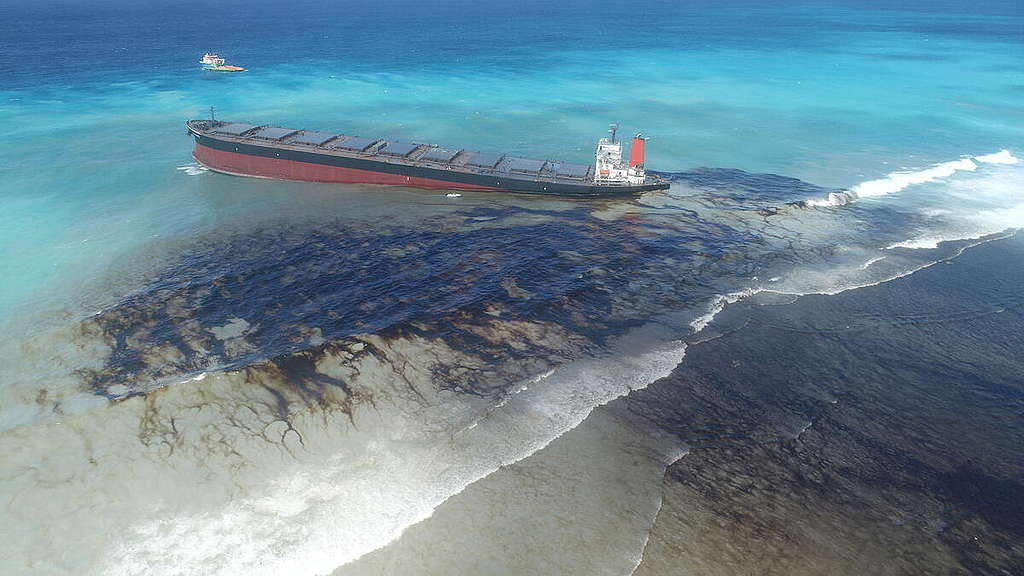
Source: Action for the climate emergency https://acespace.org/blog/2022/06/03/oil-spills-101/
The Importance of Awe for the workplace

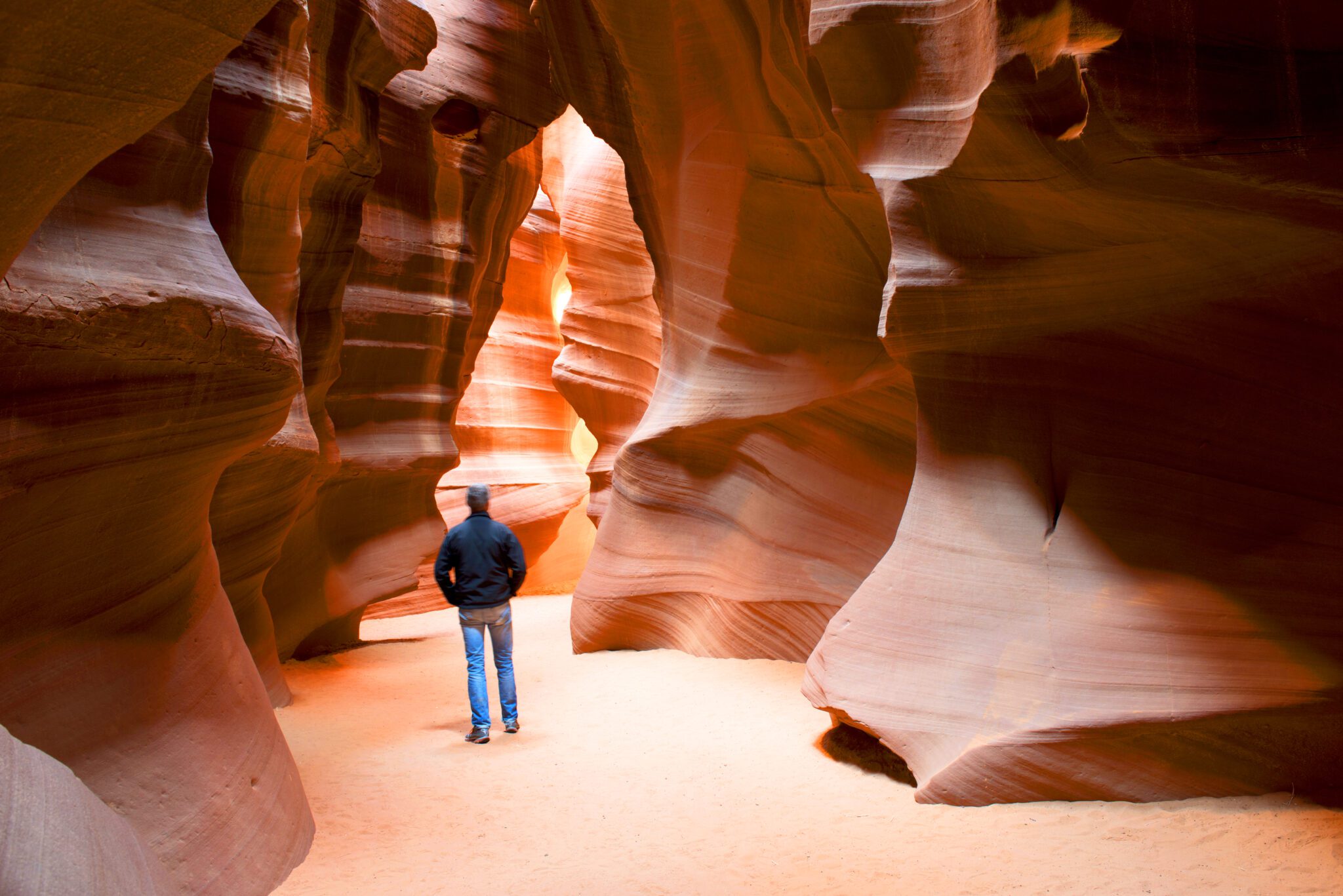
Awe is a well-known benefit of access to nature- it helps moderate stress, gives a sense of purpose, and can help with innovation and creativity. But awe can also be created in small ways in the workplace and in workplace-adjacent experiences. What a great way to find synergies between nature, sustainability, and human health and well-being. Check out the article by Emily Dunn here on key ways to facilitate awe in the workplace through design.

Using big data to find the safest street design: NYC example

New York City has teamed up with a big data company to estimate which street designs result in fewer crashes. While the results have not been conclusive so far, certain interventions – such as wider and highly visible pedestrian islands- have been proven to significantly reduce pedestrian crashes. Linking these known street designs with predictive models and more data may be just what cities are looking for in their quest for Vision Zero goals. To see the full article click here. tumblr_mq06t2ajEy1ruig9zo1_1280

Not everyone finds nature relaxing: new research

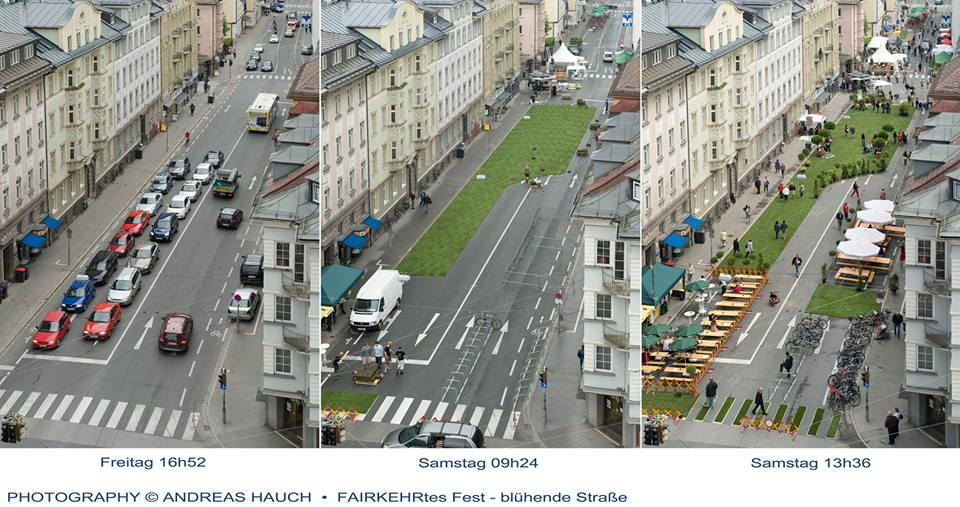
New research seems to shed light on what some have long argued- that not everyone finds nature relaxing. In a recent paper in The Society for Consumer Psychology lead authors Kevin P. Newman and Merrie Brucks found that neurotic people tended to find stressful situations- like bustling traffic and street noise- more calming than scenes of nature.  The thinking is that the environment mirrors their chaotic, stressed thinking, rather than being the opposite. There is even some suggestion that different personality types are drawn to different environments, and that these mimic stereotypes in the U.S. (such as relaxed Southerners and uptight northeasterners). However, as other posts on this blog have argued, not all nature is relaxing, and not all urban experiences are stressful (think being lost in a dark wood versus sitting in a sidewalk cafe on a bustling, tree-lined pedestrian street). To read more click here, and to see the original article click herecce0c7db236b5e269c7721de801bb8f7.

Barcelona creatively finds ways to add greenspace to a crowded city

Many cities struggling with increasingly hot temperatures are trying to find ways to cool the city. Adding greenspace is being recognized as a multi-benefit way to do this, as it also reduces stormwater runoff and improves the quality of stormwater, while providing habitat and social spaces for humans.  The problem is that the areas that need greenspace the most- often densely-built downtowns- are often the areas that have the least amount of available space in which to add greenery.

Barcelona is tackling this issue in a particularly creative way- by redistributing traffic to tunnels, replacing some low-density courtyards with parks (though not uncontroversially), aggressively encouraging green roofs and walls, and linking green corridors to existing parks. This approach to urban greening, in which cities are having to add greenspace to previously unused or underused urban areas, is a great example of the trend around urban greening and the approach taken in my upcoming book with Routledge (out in 2018). For more information click here

barcelona.greencorridor.citylab
Image courtesy of Citylab and Ajuntament de Barcelona

.

London calls for a unified approach to parks and measuring greenspace

In the new report on London Parks, Park life: ensuring green spaces remain a hit with Londoners, the London Assembly has made a number of recommendations including:

  • In the forthcoming Environment Strategy, the Mayor should:
    • clarify his plans to increase London’s green space in terms of quality, multi-functionality and accessibility
    • set out a specific action plan to improve green space data collection to help target investment which improves access to, and quality of, green spaces.

The report also calls for a unified approach to accountability and oversight. See the full report here.

Burgess-Park-great-lawn-696x418
Photo credit: The landscape institute.org


The link between your home and your health: infographic

Sometimes organizations come up with effective ways to communicate complex ideas. The National Environmental Education Foundation (NEEF) is one of those organizations- check out their great graphic on why homes can impact your health. For more information check out their website here.

INFO17-HealthHeroes-RMI-V2

house-healthy

Denver’s new stormwater guidelines: green infrastructure gets serious

Denver has just come out with their innovative and ground-breaking green infrastructure guidelines. Using cutting-edge research and focusing on native plant palettes, the new guidelines move Denver towards leadership in stormwater management for arid climates. To check out the new guidelines, click hereMidblock stormwater tree trench example.

Philly doctors are now prescribing nature visits to kids

In the continued recognition that access to nature improves health and well-being, as especially important to children’s growth, development, and socialization, doctors in Philadelphia are now prescribing time in nature for underserved youth. See the full article here.

dixon-54052-e-wp-content-uploads-2017-06-709930_9a08da685a4d18d
At the John Heinz National Wildlife Refuge in South Philly, a group of kids — including Safir Wearind (foreground), 10 — participate in a camp. In the background is Brianna Patrick, environmental education supervisor. (CLEM MURRAY/Staff photographer)