Page 8 of 9

New green roof on subway station in Toronto

In May 2009 Toronto became the first city in North America to require green roofs on all major new developments.  Though in the works for three years, the new green roof being constructed at the Eglinton West subway station will be the first green roof on top of a subway. Constructed by Gardens in the Sky Inc, the green roof is visible from the Allen road expressway, which is a heavily-used north-south artery from the 401 highway. The green roof will be a 9,000 square foot garden constructed from sedum plants in removable trays. In addition to improving the aesthetic value of the area, the green roof will encourage bird and insect life and reduce heat in this heavily-used traffic corridor, according to Terry McGlade, president of Gardens in the Sky, Inc. The roof will cost about $25-$30 more per square foot than a traditional roof.
NYC leads on innovative urban greenspace with the Highline

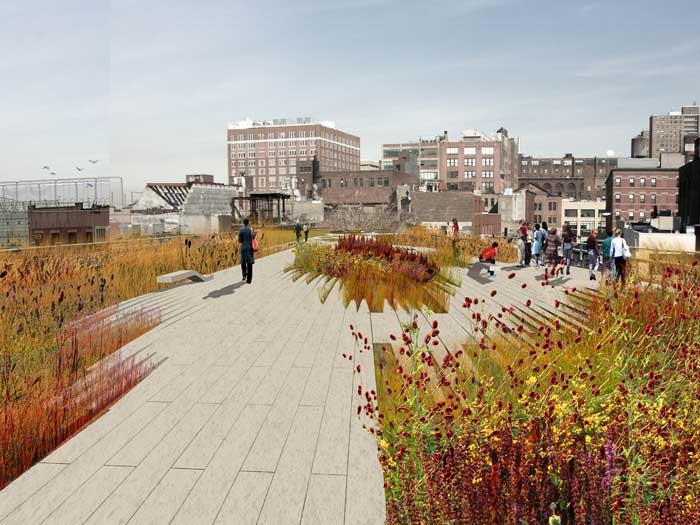
Design of Highline
Design of Highline

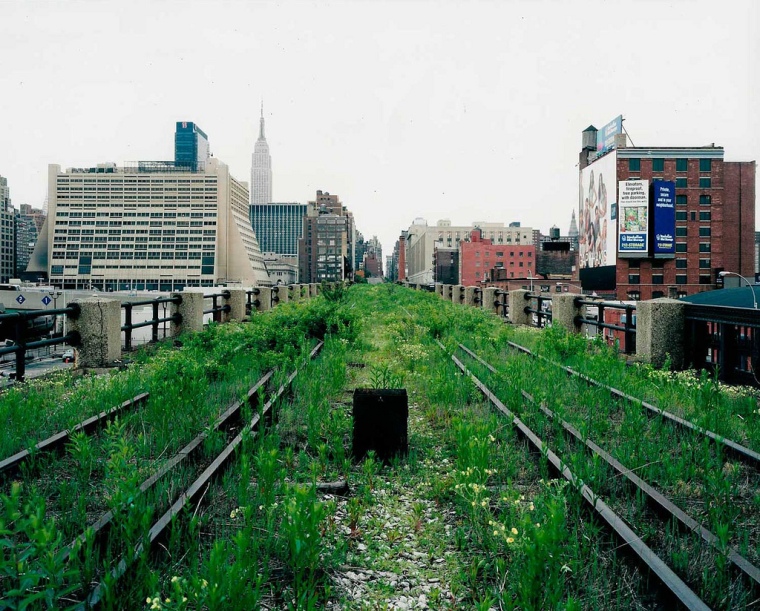
New York City has garnered international attention with its recent opening of the Highline park, which is a new public greenspace on an abandoned elevated rail line. The ‘park’ has a long history and is a testament to community organization and new, innovative visions for urban revitatalization and urban greening. The park has used a naturalized aesthetic to replicate the abandoned character of the line and encourage native habitat. For more information and pictures, click here.

View along the Highline

Big Growth in Green Roofs in U.S. and Canada

The growth of the green roof industry in North America has grown by 35% in the last year. Chicago is still in the lead, with over 548,000 square feet installed in 2008, while Toronto has just passed legislation requiring a 50% coverage of the area of all new green roofs to be covered with greenery.  For the full article click here.

Vision for Chicago’s Future ambitious and green: Burnham anniversary plans

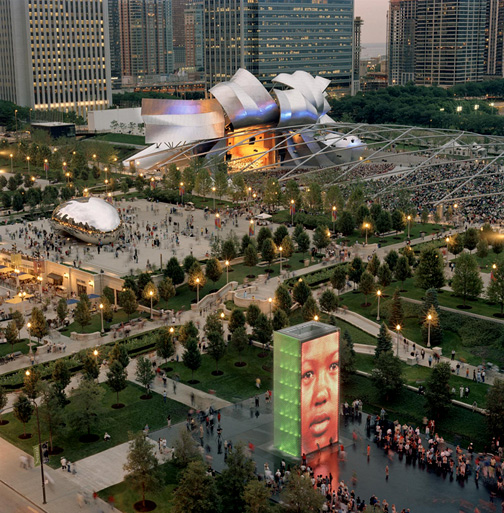
Millennium Park (City of Chicago)
One example of Chicago's attitude to urban revitalization: Millennium Park (City of Chicago)

The 100th anniversary of Chicago’s famous Burnham plan is re-kindling debate on the direction and vision of Chicago’s future, and true to the original spirit of the plan, the visions are bold and ambitious.  The Burnham plan, named after the Chicago architect and urban planner Daniel Burnham, is one of the most famous city plans in the western world, and one which cemented Chicago’s reputation for boldness and civic greenspaces.  Central to these discussions is a vision of a regional Chicago that is greener, cleaner, and integrates public transportation with regional goals.  But are these visions realistic or cohesive? Chicago’s Blair Kamin discusses some of these new discussions and exhibitions in his Chicago Tribune article, January 10th, 2009.

Seattle considers greener townhouse and landscaping standards

Thursday, January 22nd, 2009

Proposed legislation in Seattle aims to make mulitfamily housing more environmentally sensitive in both its built form and landscaping.  Among the highlights of the proposal are better townhouse design, protection of single-family neighbourhoods, green construction and landscaping, and affordable housing. Of particular interest for the green roof industry is the proposed modification to current landscaping requirements, which would increase landscaping by 15-20%, often include green roofs and vegetated walls, and require LEED Silver or Built Green Four Star construction standards for projects where additional development capacity is allowed. For the full story, click here.

Green Roof Tax Incentive Introduced to US Congress

Sherman Plaza green roof, Evanston, IL (American Hydrotech)

New proposed legislation would provide financial incentives for commercial and household green roof installationin the US. Senator Maria Cantwell from Washington State introduced the Clean Energy Stimulus and Investment Assurance Act of 2009 (S.320) January 26th.  Section 506 of the bill, which would provide residential and commercial property owners with a 30% tax credit for qualified green roof expenditures, was written in collaboration with Green Roof for Healthy Cities and the American Society of Landscape Architects.  The bill would apply to both new and retrofit projects and would require at least 50% of the roof to be covered with a green roof.  For more information, click here.

New rating system for sustainable landscaping proposed

A new initiative, called Sustainable Sites, has been developed by the United States Botanic Garden, the American Society of Landscape Architects and the Lady Bird Johnson Wildflower Center. This proposed model addresses the lack of guidelines for sustainable landscaping in building design, and is meant to be a rating system similar to the current top green building guidelines, LEED (Leadership in Energy and Environmental Design).  The report, which is open for comments until January 20th, is hoped to be incorporated into LEED

Prairie grass, prairiefrontier.com

2011. To see the full article, click here.

To go directly to the Sustainable Sites Initiative site, click here.

New Research on the role of nature in reducing stress on your brain

The city might be good for business but it may not be good for your thinking skills or stress levels, according to recent research.  Drawing on the work of environmental psychologists and psychologists who study the brain, Johan Lehrer discusses how incorporating nature into our daily urban environment can reduce stress and improve our ability to concentrate and think creatively.   Click here for the full article (published January 2nd in the Globe and Mail).

New York promotes green roofs through tax credits

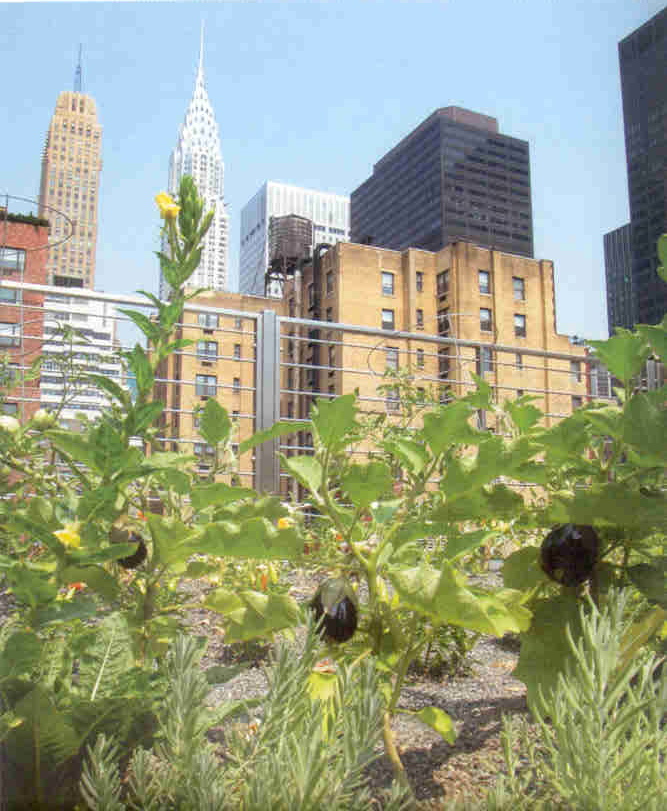
State legislation passed in June 2008 allows New York City building owners who install vegetation on at least half their buildings’ available rooftop space to offset $4.50 in property taxes for each square foot of green roof they install, for one year. The credit covers about a quarter of the cost of installation and is capped at $100,000. To see the full article in the current GreenSource, please click here: New York Green Roofs.

Green roof on Earthpledge's building, NYC
Green Roof on Earthpledge's offices, NYC