Page 4 of 9

Meditation study shows brain matter being rebuilt after only 8 weeks.

A new study by Harvard neuroscientists shows that participants spending as little as 27 minutes a day in mindfulness exercises showed a thickening of the cerebral cortex associated with attention and emotional integration. Changes were also found in parts of the brain associated with self-awareness, compassion, introspection and decreased stress. To read the full article click here.

o-PRAYER-MEDITATION-BRAIN-facebook

Health Elevations: Visual Guide to Re: Built

In the summer of 2014 I was featured as part of the Colorado Health Foundation’s social media campaign on the link between health and the built environment. This video has some great footage of new buildings, bike lanes, and a great residential green roof. You can access the video here

Green bike lanes in San Francisco are a great example of how the built environment influences health choices.

.

Links to nature, cities and health: how green cities improve our health

A recent article in the Globe and Mail discussed the links between increased access to greenspace in cities with improved health outcomes. In particular, the article cites the need for greenspace that takes people and the local vernacular into account in order to be successful. Drs Judith Heerwagen and Tim Beatley, both interviewed for the article, are great researchers in this field and have done interesting commentary on people’s link to space. Check out the article here.


Mayors from GOP states address climate change

Mayors from Arizona and Texas encouraged cities to use nature to mitigate against climate change. The US Conference of Mayors will vote Monday on a resolution to encourage cities to use natural resources to protect coastlines, air and freshwater quality, and maintain a healthy tree cover. Two reports by The Nature Conservancy showed how natural buffers could be cost-efficient and more effective than traditional solutions. Click here to read the report.

Cities experiment with financial incentives for green roofs

As the environmental benefits of green roofs become more widely known and understood, cities are looking for ways to encourage their implementation through financial incentives. The ability of green roofs to mitigate against climate change by cooling cities and reducing stormwater overflows are particularly attractive to municipal officials and is backed up by a recent EPA study. See the article here.


Denver Residential Green Roof. Art of the Land design with consultation with Andy Creath and Mark Fusco

Conference in Hungary argues “Let nature back into our cities,” follows pro-greening legislation in Europe

The “Green Cities, Green Infrastructure” conference in Budapest April 3rd brought together British, Hungarian and Austrian experts in green roofing and other urban greening strategies. Gary Grant, director of the Green Roof Consultancy, argued that there could be a 10% reduction in air conditioning costs if London’s roofs were ‘greened.’  Dusty Gedge, the president of the European Federation of Green Roof Associations argued for a more biological approach: 

“What matters is the ecological function of the area. The point is not to create tidy green grass islands in the city, but ones that contribute to urban life: we must make resilient landscapes that hold water and can accommodate indigenous vegetation.”

The conference builds on the heels of recent pro-greening strategies passed by British and European lawmakers. Find out more here.

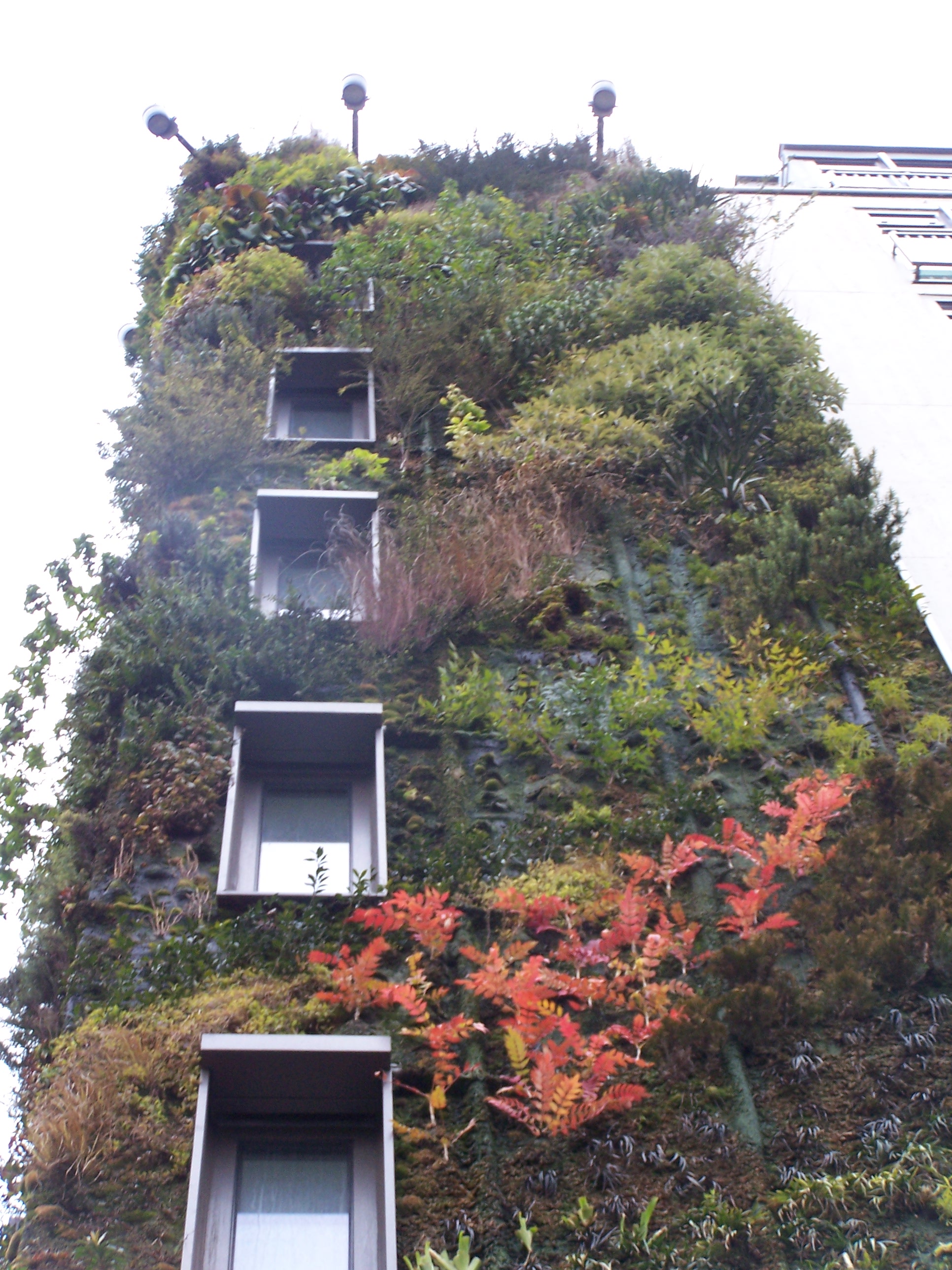
Image

Green Wall on London building, 2009, (A. Loder)

New study links suburban sprawl to decreased social mobility

A new study indicates that living in sprawling suburban areas decreases a poor child’s chances of moving up the socio-economic ladder as an adult. Possible reasons include higher transportation costs in sprawling areas, as well as more isolation.

“One of the most striking findings is that living in more compact and connected metro areas can help low-income children get ahead financially as adults.”

Despite continuing sprawl many cities in the US are developing comprehensive growth plans that try to reduce sprawl due to its’ negative impact on health. Read the full article here.


stripmall.suburbs.sierraclub.denver.co

Rule-free natural playground resulted in less bullying, more active and creative play, and better learning in New Zealand

The National Post has reported on studies in New Zealand that have shown that when schools removed all the rules and increased the opportunities for natural play, students were more active, more creative in their play, had better attention and willingness to learn after recess, and were less likely to engage in bullying or tattle tale-ing. Check out the article hereplayground-1.NZ.green..